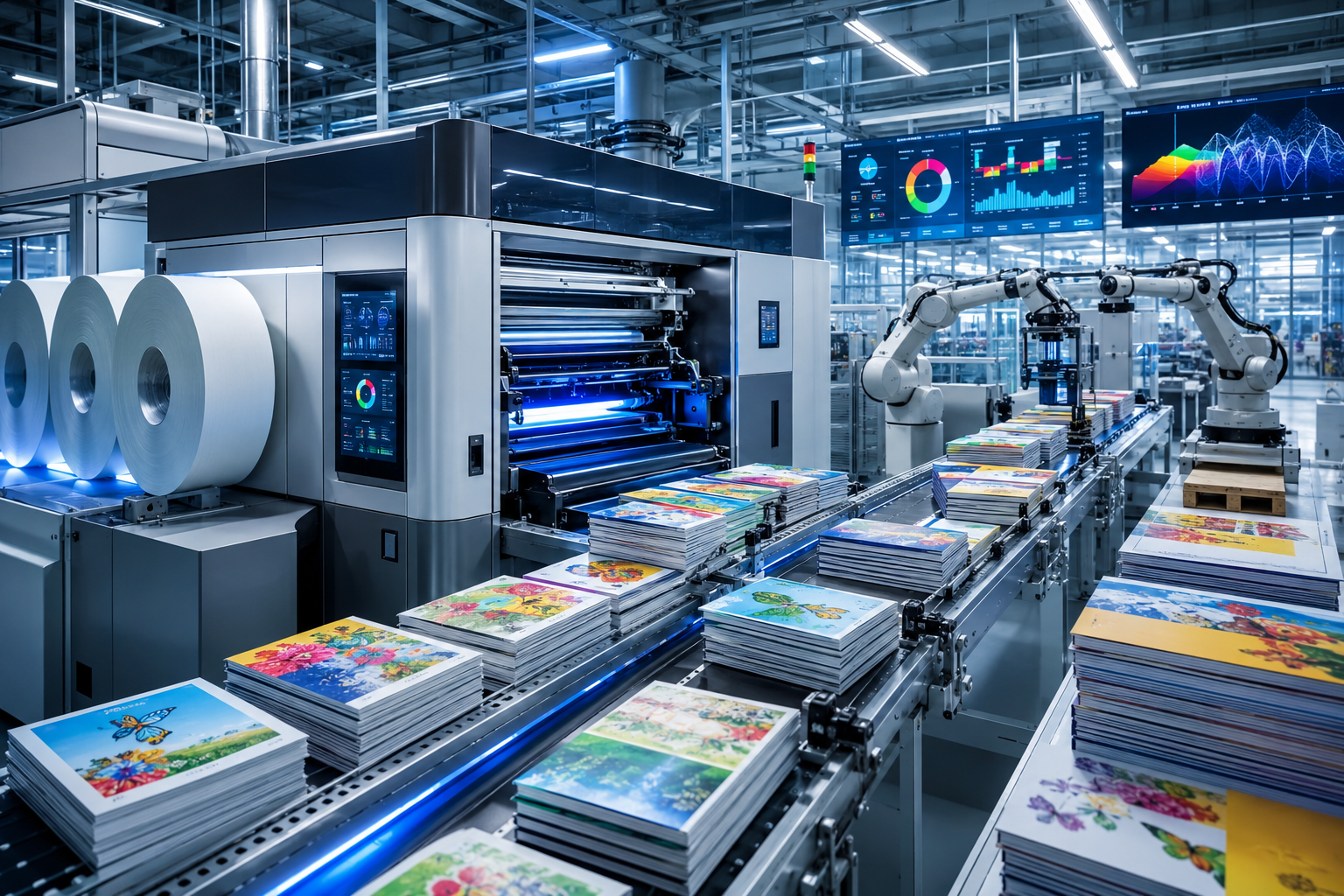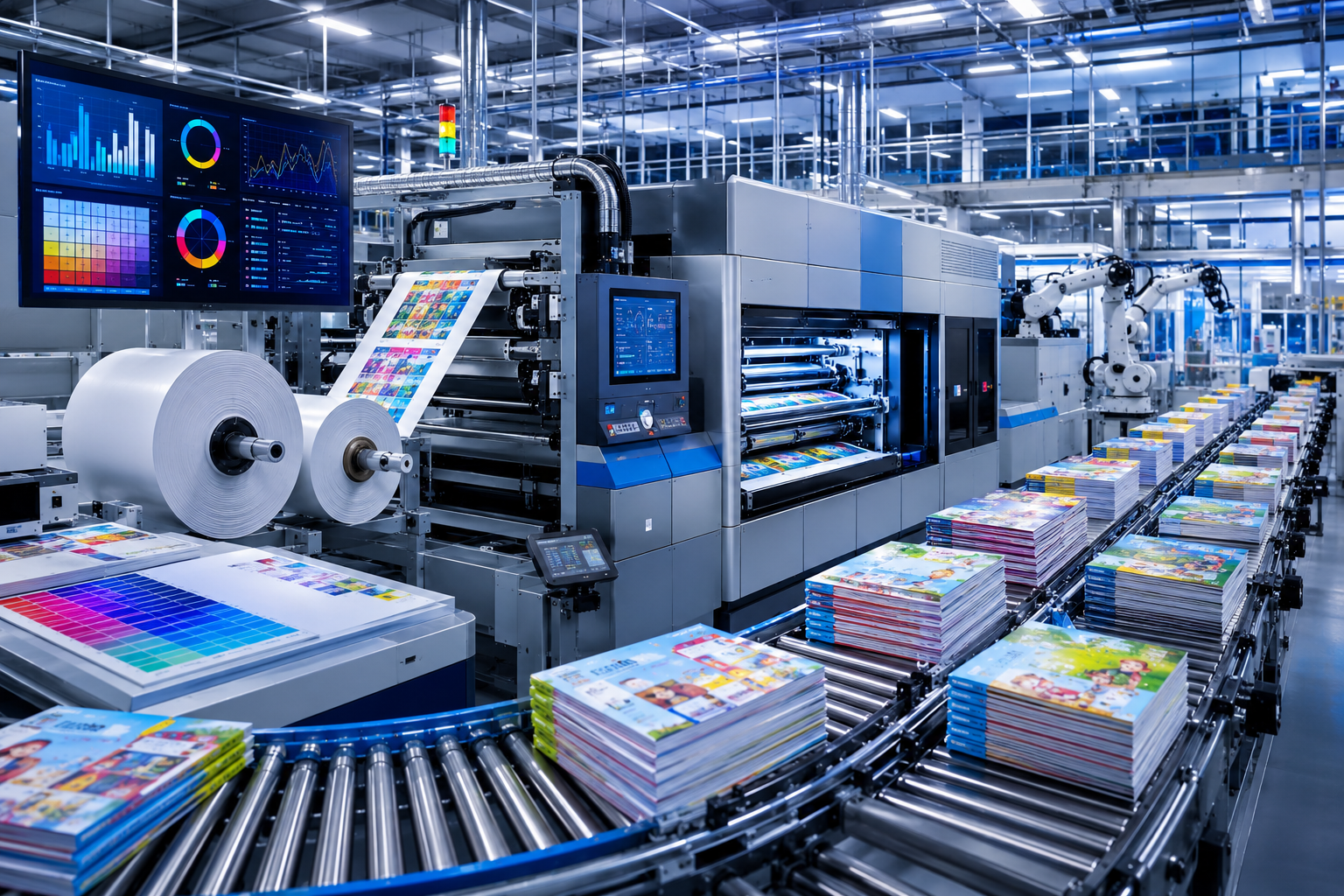

Many publishers believe that increasing production requires opening additional printing facilities or investing in massive infrastructure. Modern digital printing technology is changing that approach by allowing businesses to produce more books with smarter workflows instead of larger facilities.
The Traditional Expansion ChallengeExpanding a publishing business usually involves significant investment in land, buildings, storage, equipment, and manpower. These investments increase financial pressure long before additional revenue is generated.
- High infrastructure costs
- More warehouse space
- Additional staff requirements
- Higher maintenance expenses
- Complex production management
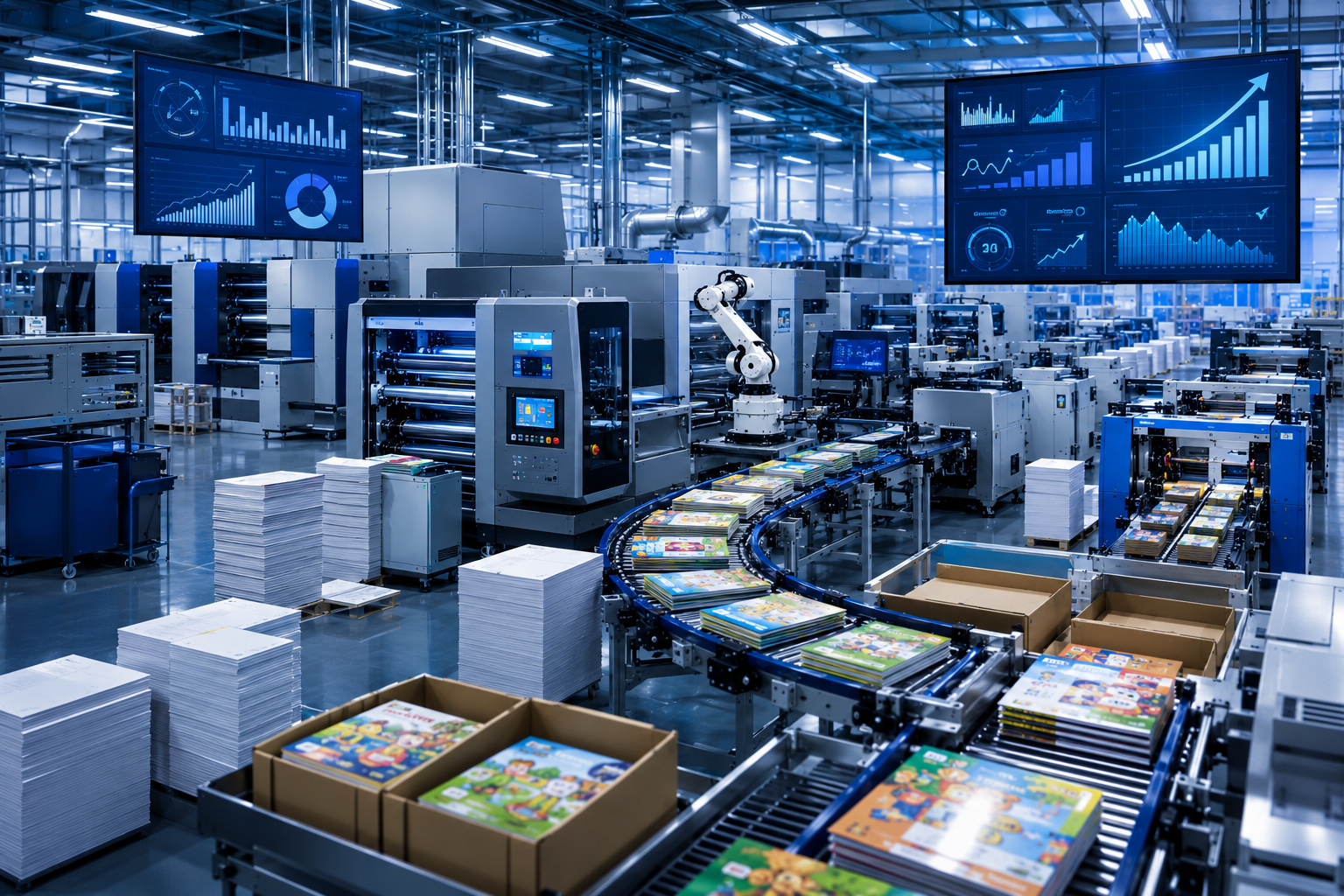
Instead of building multiple facilities, publishers can centralize production using high-speed digital printing systems capable of handling multiple titles and orders simultaneously.
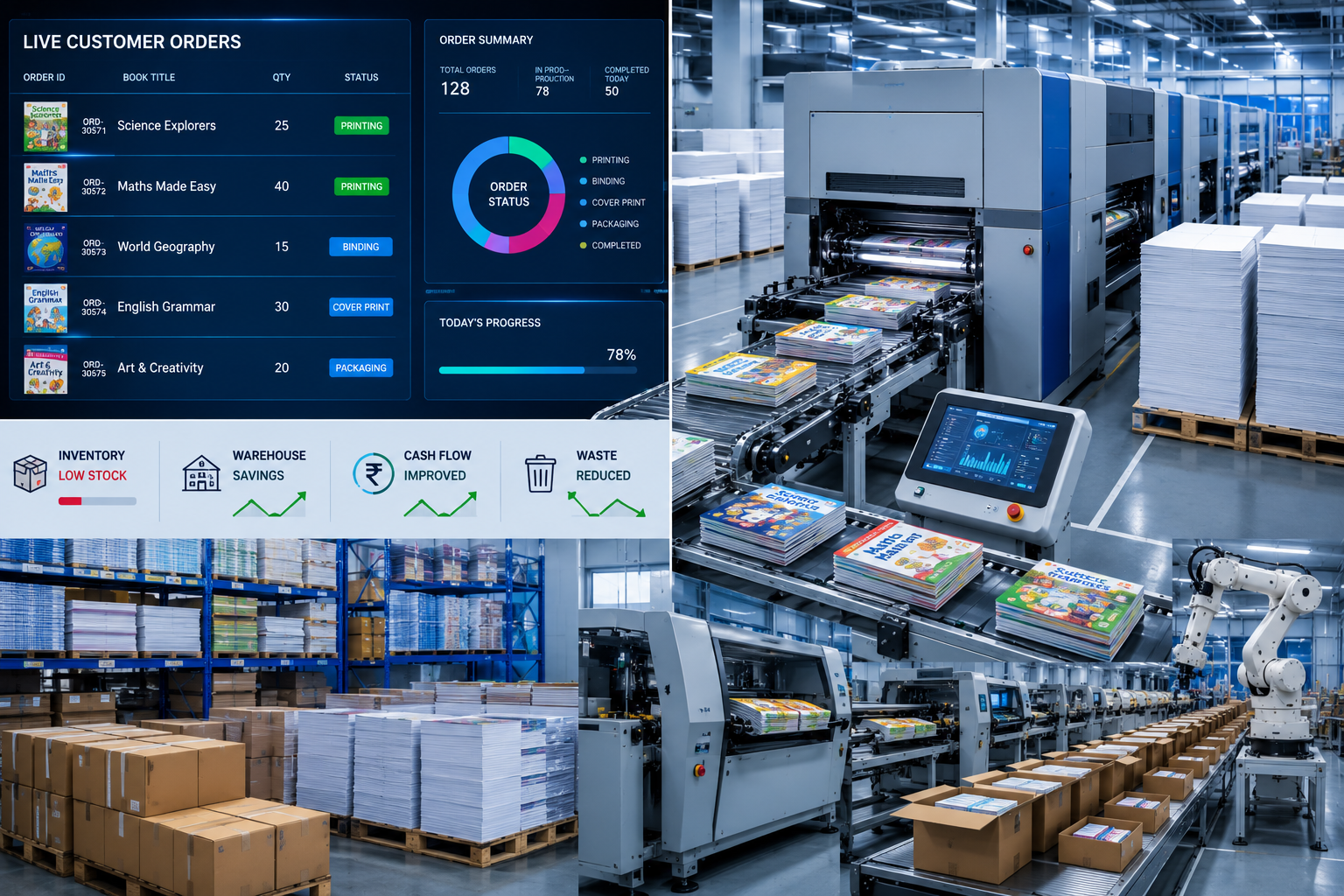
Increase Capacity Without Increasing ComplexityModern production workflows allow businesses to process multiple print jobs, automate scheduling, and reduce idle machine time while maintaining consistent quality.
- Faster production cycles
- Multiple jobs every day
- Reduced setup time
- Higher machine utilization
- Better productivity
Digital production makes it easier to serve distributors, schools, bookstores, and institutions across different cities while managing production from one centralized facility.
Flexible Production for Every OrderWhether the order is for 100 books or 10,000 books, digital production provides flexibility to manufacture according to actual demand while maintaining premium quality.
Improve Business Efficiency- Lower operating costs
- Better cash flow
- Reduced inventory
- Faster order processing
- Improved customer satisfaction
Edit One International helps publishers modernize production with advanced digital book printing solutions that improve efficiency and support long-term business growth.
ConclusionBusiness growth is no longer determined by the size of your factory. With modern digital book production technology, publishers can increase capacity, reduce costs, and expand into new markets without building multiple production facilities.